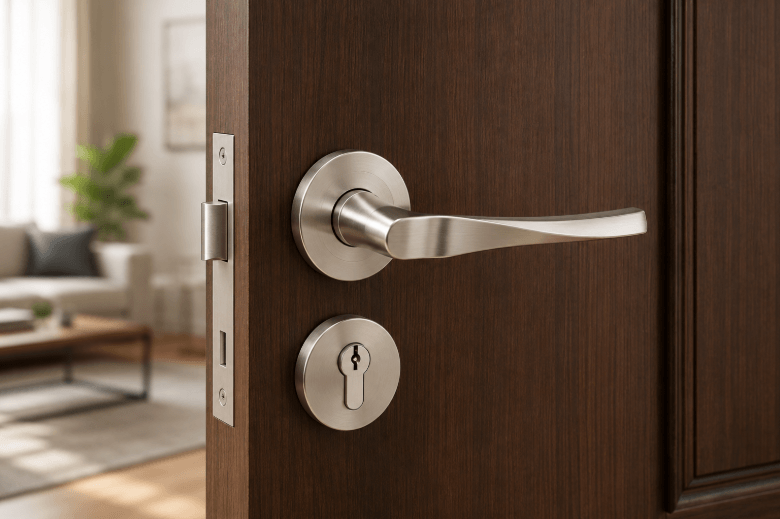
The small home detail that quietly changes every room
A door is used many times each day, yet its handle gets little thought. We reach for it while carrying bags, guiding children, or rushing between rooms. It becomes part of daily life without asking for much attention. Still, the wrong handle can feel stiff, loose, sharp, or hard to grip. The right choice makes each movement feel natural. It can also support the look, safety, and mood of a room. Home updates designed around door handles can bring a clear change without major building work. That may sound like a small claim, but think about every door you touch before breakfast. A good handle should work smoothly and feel firm in your hand. It should also suit the door rather than look like it was added at the last minute.
This guide explains how to choose handles with more care and less guesswork. We will look at shape, finish, room use, fitting, and long-term care. We will also cover the small details that buyers often miss. A bathroom handle has different needs from one used on a pantry door. An entrance needs more strength and security than a linen closet. We want each choice to feel good now and still work well years later. By the end, you will know what to check before buying, what mistakes to avoid, and how to match each handle with its space. No design degree is needed here. You only need a clear plan, a tape measure, and perhaps a working screwdriver.
How to match a door handle with the room and its purpose
Start with the room, not the finish. A bedroom often needs a handle with a privacy lock. A hallway cupboard may only need a simple passage set. Front and rear doors need stronger hardware made for secure locks. Think about who uses the room and how often the door opens. Children, older adults, and people with a weak grip may find lever handles easier to use. Round knobs can look neat, but they may require more hand strength.
The door itself also guides the choice. Check its thickness before ordering any set. Measure the existing hole and the distance from the edge. This reduces the risk of buying parts that do not fit. You should also check whether the door opens to the left or the right. Some lever styles only suit one direction.
Useful checks include:
- Choose privacy locks for bedrooms and bathrooms
- Use passage sets for halls and shared rooms
- Pick secure hardware for outside doors
- Check door size, swing, and hole position
- Select grips that suit every regular user
What makes a handle comfortable, durable, and easy to use
A handle may look good online and still feel wrong in your hand. Comfort depends on shape, size, edge design, and movement. A lever should offer enough space for the fingers. Its edge should feel smooth, not thin or sharp. The spring should return the lever without force. Heavy use also calls for solid parts and firm screws. Cheap fittings may loosen, sag, or rattle after a few months.
Finish matters for more than style. Coastal air, damp rooms, and busy homes can wear some surfaces faster. Look for finishes suited to moisture and regular cleaning. Matte styles hide marks better than polished ones. Dark finishes can show dust, while bright metal may show fingerprints. A little care at the buying stage saves a lot of wiping later.
Keep these points in mind:
- Test the grip when possible
- Avoid handles with rough or sharp edges
- Check the spring and return action
- Choose finishes suited to the room
- Look for solid screws and firm mounting parts
How to compare handle styles without losing a clear design plan
A home can use more than one handle design without looking mixed up. Keep the finish, shape, or plate style linked across nearby spaces. For example, bedrooms may share one lever shape while bathrooms use a locking version. Entry doors can feel stronger while still matching the same general style. This creates order without making every room look the same.
1. Begin with the door style
A plain door gives you room to use a bold handle. A detailed door often suits a quieter design. Let the handle support the door rather than fight it.
2. Repeat one key finish
You do not need identical metal on every item. Still, one main finish can tie the room together. Match it with nearby taps, lights, or cabinet pulls.
3. Keep scale in balance
Large doors can carry longer levers or wider backplates. Small doors may look crowded with heavy hardware. Use size to create balance, not drama.
4. Think beyond the current trend
Trends change faster than doors do. Choose a handle you will still enjoy after the next paint update. Simple forms often age well and suit many styles.
See also: The Role of Technology in Modern Horse Racing
Why correct fitting and simple care protect your purchase
Even a strong handle can fail when fitted poorly. The latch must sit straight and move without rubbing. Screws should feel secure but should not crush the door surface. Both sides of the handle must line up evenly. If the lever sticks, do not force it and hope for the best. Remove the set and check the latch, spindle, and screw position. Small fitting errors often cause most early faults.
Regular care is simple and takes only a few minutes. Wipe the handle with a soft, damp cloth. Avoid harsh cleaners unless the maker approves them. Check loose screws before the handle begins to move. Keep paint and dust away from the latch.
A basic care routine should include:
- Tighten loose screws with light pressure
- Clean with a soft cloth and mild soap
- Keep water away from internal parts
- Test locks and latches each month
- Fix sticking parts before they cause damage
A better choice begins with the handle you touch every day
The best handle is not always the boldest or most costly one. It is the one that fits the door, suits the room, and feels right each day. Good size, safe edges, strong parts, and proper fitting all matter. Style comes next, but it should never be ignored.
We believe small home choices deserve the same care as large ones. Review each room, check the measurements, and choose a finish that works with your space. Take your time and trust what feels practical in your hand. Start with the door you use most, then let that smart choice guides the rest of your home.
